
A New Era Begins for Entry to Europe on April 10
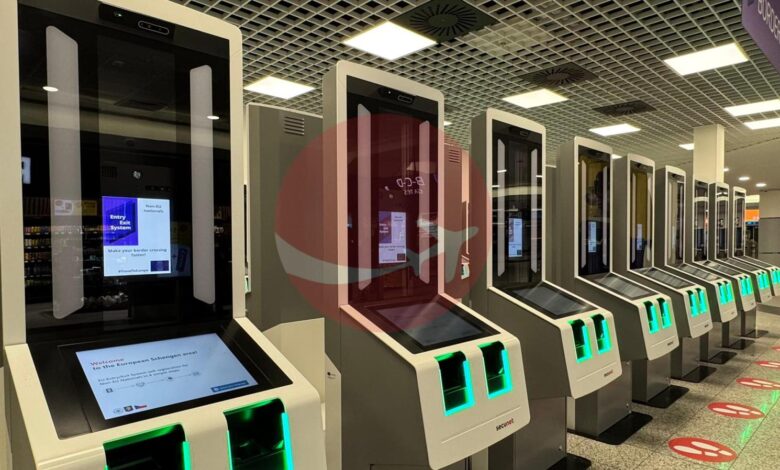
The European Union’s new Entry/Exit System (EES), implemented across the Schengen Area, has already begun causing significant congestion at airports. Gradually rolled out since October 2025 and set to be fully implemented on April 10, the system is leading to longer waiting times for non-EU passengers.
Under the new system, travelers are required to register their fingerprints and facial data physically at border control. This process is creating major bottlenecks, especially at busy airports. According to Airports Council International (ACI), processing times at locations where EES checks are active have increased by up to 70%. Waiting times in Geneva have reached up to three hours, while at Lisbon Airport, queues exceeded five hours, forcing authorities to temporarily suspend the system.
Officials are advising non-EU travelers to add at least four hours of buffer time to their travel plans. Although EES registration remains valid for three years once completed, passengers who have already registered are still required to join the same passport control queues. Meanwhile, technical issues and staff shortages continue to complicate operations. In cases where the system goes offline, reverting to manual checks may further increase delays.